ModuLab teaches microcontroller electronics as a living system, not a pile of disconnected facts.
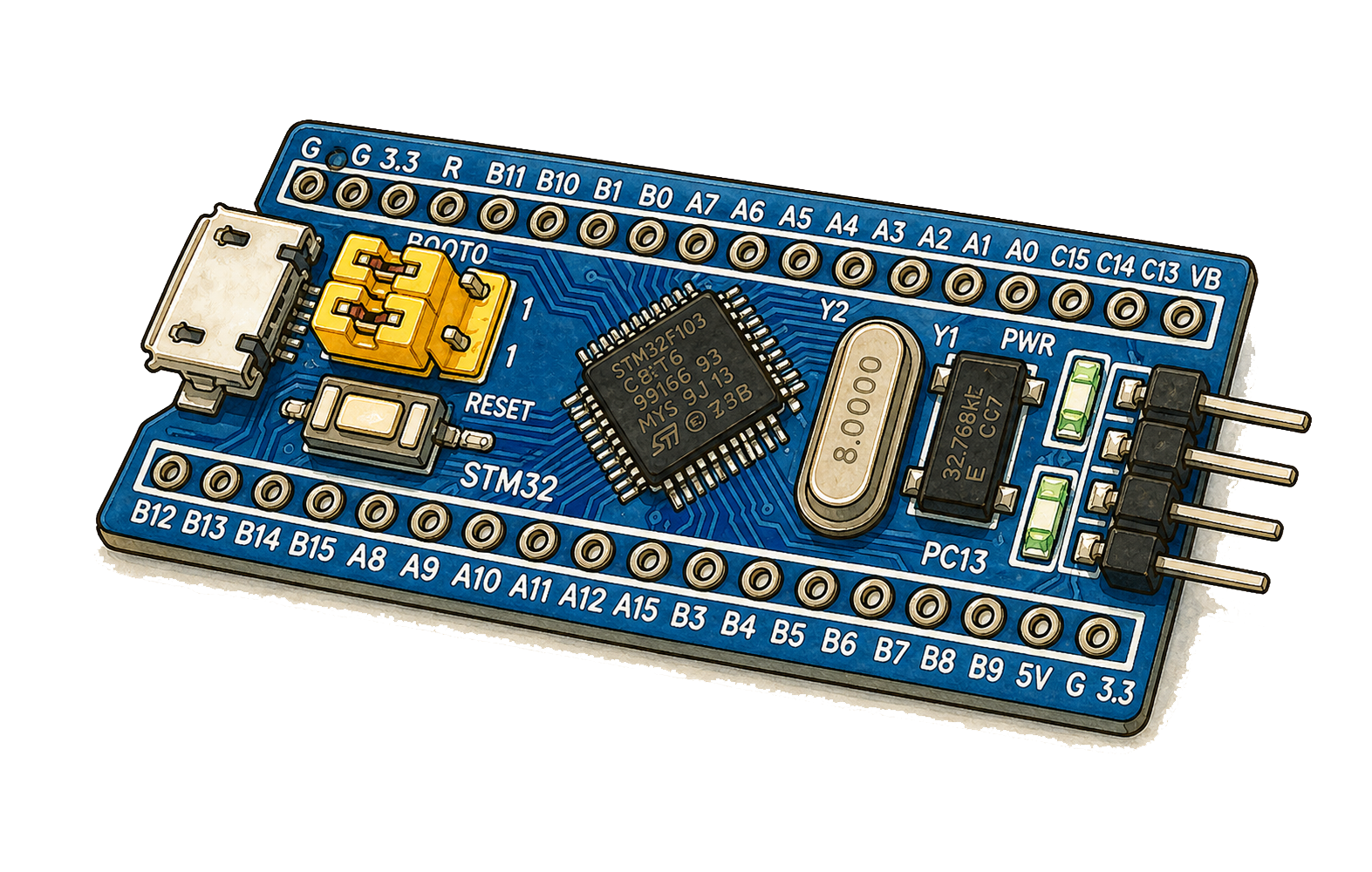
Every lesson is tied to real hardware, real pins, and real wiring, so each idea has a physical heartbeat you can see and test.
One shared course model powers Docs, Build, Play, and Explore.
That means challenge steps, required modules, connection checks, and progress all sing from the same score instead of drifting out of tune.
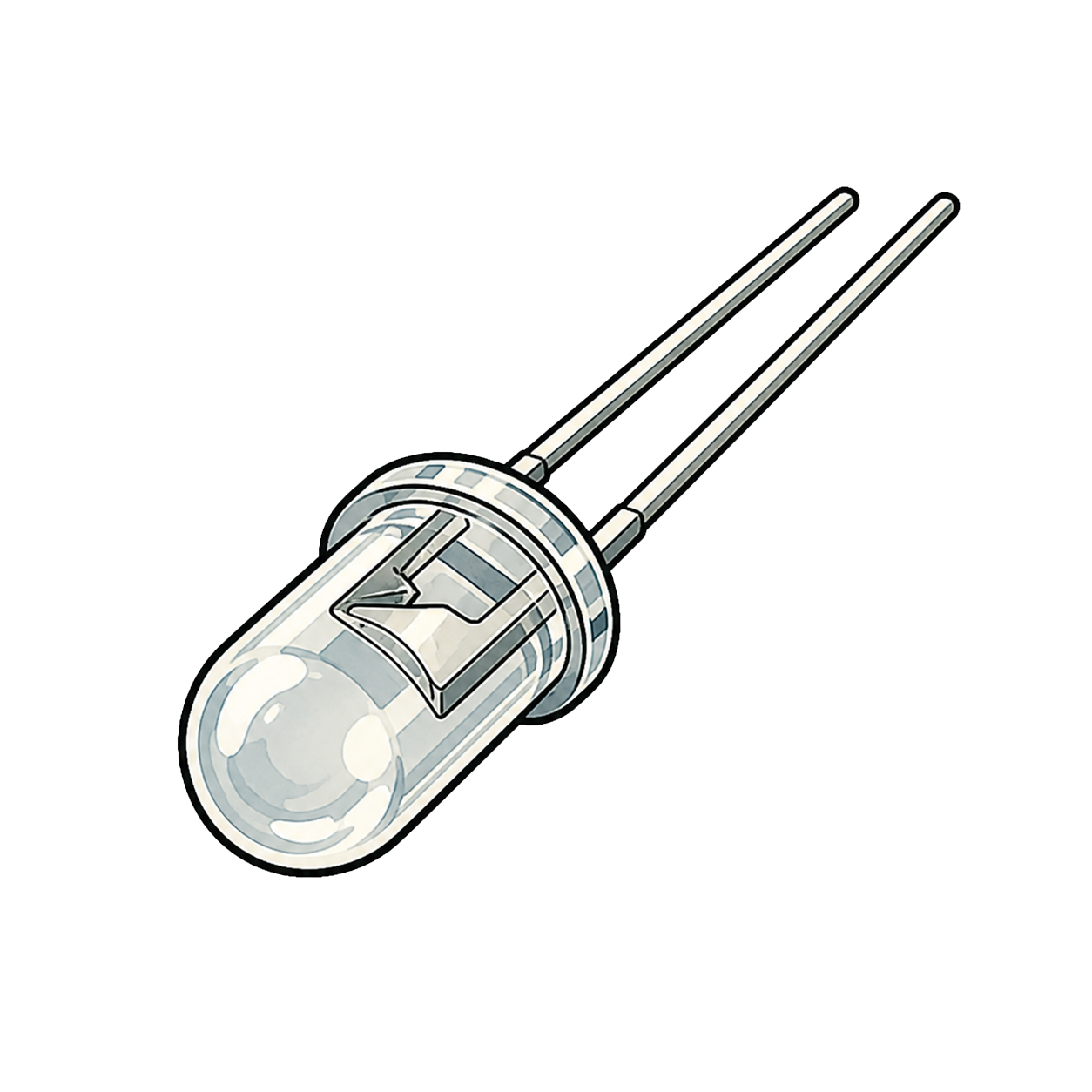
You begin with quick wins like LED signals, then grow into displays, sensors, motion, communication, and automation.
Each step is intentionally visible, measurable, and repeatable, so confidence builds with every click, wire, and successful test.
Use Build to place and wire with purpose, Play to command the live board and read telemetry in real time, and Explore to invent behavior with rules and experiments.
The result is a learning loop that feels like engineering: imagine, build, test, refine, and launch the next idea.